

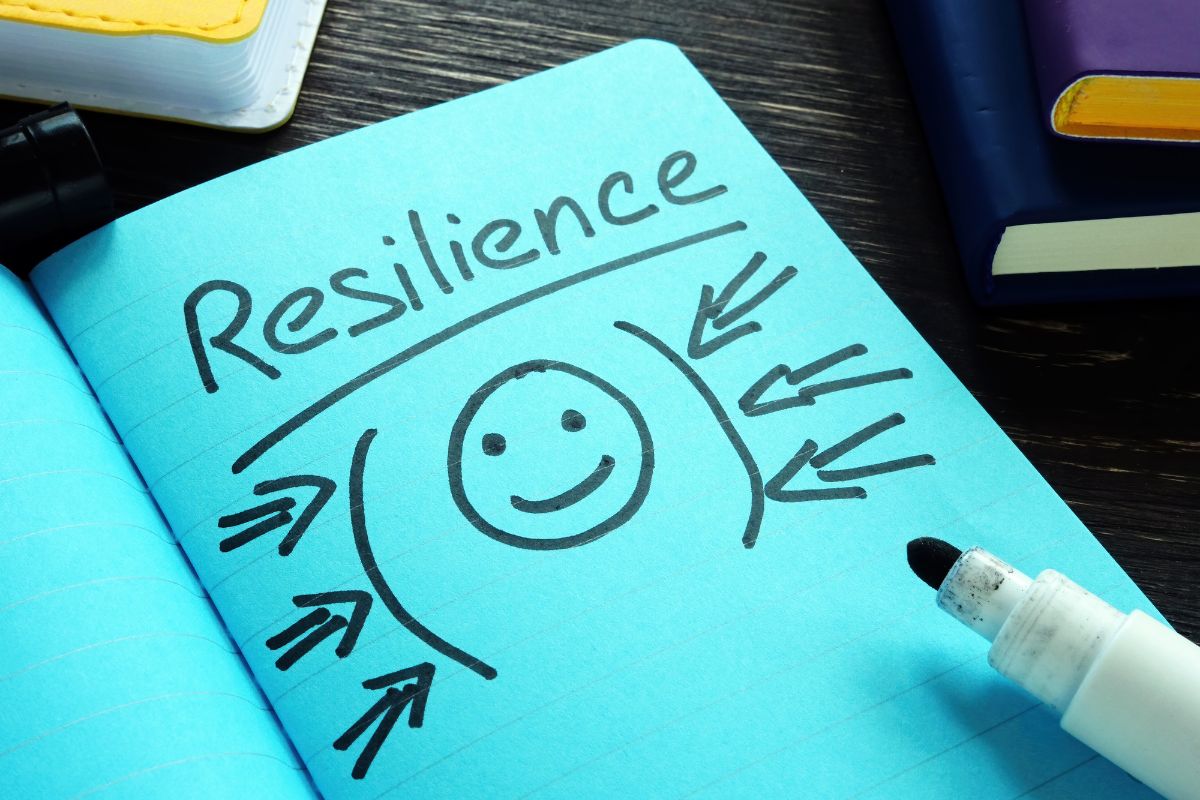
Life is full of ups and downs. From school struggles to personal challenges, setbacks are a natural part of growing up. While it’s impossible to shield your child from every hardship, teaching them how to bounce back, learn from failure, and persevere in the face of adversity is one of the most valuable lessons you can impart. This quality is called resilience, and it’s something every child can develop with the right tools and mindset.
Resilience is more than just “getting back up” after a fall; it’s about understanding that challenges are a normal part of life and that failure doesn’t define us. It’s about cultivating a growth mindset, emotional regulation, problem solving skills, and a positive attitude. In this blog post, we’ll explore how you can help your child develop resilience and approach life’s challenges with confidence.
Model Resilience Yourself
Children learn best by example. If you want your child to develop resilience, you must first demonstrate it yourself. Show them how to face challenges with determination, keep going when things get tough, and embrace failure as an opportunity to learn. Your behaviour will serve as a powerful model for how they should approach life’s inevitable challenges.
- Share Your Own Struggles: Don’t be afraid to talk about times when you faced setbacks. Whether it’s a difficult project at work or a personal challenge, sharing your experiences helps your child understand that everyone, including adults, faces difficulties. Be sure to emphasise how you overcame those struggles—what strategies helped you persevere, and what you learned in the process.
- Embrace a Growth Mindset: When you encounter obstacles, use language that reinforces the idea that abilities can grow and improve over time. Phrases like “This is a challenge, but I can learn from it” or “I’ll keep trying until I get it right” teach children that effort and perseverance are key to overcoming adversity.
Encourage Problem Solving Skills
Resilience is about more than just emotional strength—it’s also about being able to think critically and find solutions to problems. Encourage your child to approach challenges with a problem solving mindset by helping them break down obstacles into manageable steps.
- Teach Decision Making: When your child encounters a problem, ask them to think through potential solutions. For example, if they’re struggling with a school assignment, guide them to brainstorm different ways they could tackle it. This helps them build confidence in their ability to navigate difficult situations and encourages them to take initiative.
- Support Independence: Give your child opportunities to make choices and solve problems on their own. Even simple decisions, like deciding what to wear or how to organise their school supplies, can build their confidence in making choices and handling challenges independently.
Emphasise the Power of Perseverance
One of the key components of resilience is the ability to keep going even when things seem tough. This doesn’t mean pushing through in an unhealthy way, but rather recognising that persistence is often required to achieve long-term goals.
- Celebrate Effort Over Results: Praise your child for their effort, rather than just the outcome. When your child works hard on a project or faces a difficult task, acknowledge the persistence and determination they showed, even if they didn’t “succeed” in the traditional sense. For example, instead of just saying, “You did great on your test,” try, “I’m so proud of how hard you worked to prepare for that test!”
- Teach the Importance of Practice: Remind your child that no one gets everything right the first time, and that practice is key to improving. Whether they’re learning to ride a bike, play a musical instrument, or master a math concept, the process of continuous effort, combined with patience, is essential for success.
Help Them Manage Emotions
Resilience is closely tied to emotional regulation—the ability to understand and manage emotions, especially during stressful situations. Helping your child identify and cope with their emotions is essential in developing emotional resilience.
- Validate Their Feelings: When your child faces disappointment or frustration, acknowledge their feelings without dismissing them. Phrases like “I can see that you’re upset, and that’s okay” can help them feel heard and understood, which makes it easier to move forward.
- Teach Coping Mechanisms: Equip your child with healthy ways to manage difficult emotions. Deep breathing, counting to ten, or talking to someone they trust are all strategies that can help them calm down during tough times. These tools allow children to better handle the emotional impact of challenges and setbacks.
- Encourage Self-Compassion: Teach your child to be kind to themselves when things don’t go as planned. Encourage them to reframe their mistakes as opportunities to learn and grow, rather than as signs of failure. Helping your child build self-compassion will strengthen their emotional resilience and allow them to bounce back more quickly.
Build a Supportive Environment
Resilience isn’t developed in isolation. A strong support system—whether it’s family, friends, teachers, or mentors—plays a critical role in helping children navigate difficult situations. Building an environment of trust and encouragement is key to helping your child develop confidence in their ability to overcome challenges.
- Foster Strong Relationships: Encourage your child to maintain positive relationships with friends and family members. A support network of caring, understanding people provides emotional security and helps children feel less alone when faced with difficulties.
- Provide Encouragement and Praise: Be their cheerleader during tough times. Remind them of their past successes and strengths, and let them know you believe in their ability to succeed. When children feel supported and encouraged, they are more likely to keep going, even when faced with adversity.
Teach the Value of Failure
In a world where success is often celebrated and failure is feared, it’s important to teach children that failure is not something to be ashamed of. Rather, failure is an inevitable part of life that can provide valuable lessons.
- Reframe Failure as a Learning Experience: When your child fails at something, help them see it as an opportunity to learn and grow. Instead of focusing on the negative aspects, talk about what they can do differently next time and what they learned from the experience.
- Normalise Setbacks: Remind your child that everyone experiences setbacks—whether it’s in school, sports, or other areas of life. The most important thing is to keep trying and stay focused on progress, not perfection.
Encourage Goal-Setting and Reflection
Resilience is about more than just surviving challenges; it’s also about learning from them and moving forward. Help your child develop the skills to set realistic goals, work toward them, and reflect on their progress.
- Set Achievable Goals: Encourage your child to set small, manageable goals that are within their reach. This could be as simple as finishing a book, completing a project, or improving a skill. Break large tasks down into smaller steps and celebrate each accomplishment along the way.
- Promote Reflection: After facing a challenge, take time to reflect with your child. Ask questions like, “What did you learn from this?” or “How did you handle this situation?” Reflection allows children to recognise their own growth and helps them approach future challenges with a positive outlook.
Instill Optimism and Hope
Lastly, help your child cultivate a sense of optimism. While it’s important to acknowledge challenges, it’s equally important to focus on the possibilities ahead. Teach your child to look at difficult situations with hope and to believe that things can get better with time and effort.
- Focus on Solutions, Not Problems: When your child encounters a problem, help them shift their focus from the problem itself to potential solutions. By emphasising problem solving, you encourage them to approach challenges with a mindset that things can improve.
- Encourage a “Can-Do” Attitude: Help your child develop a “can-do” attitude by celebrating their successes and encouraging them to tackle new challenges with confidence. Remind them that every difficulty is an opportunity for growth and that they have the strength to handle whatever comes their way.
Building resilience takes time, effort, and patience, but the rewards are well worth it. When children are equipped with resilience, they are more likely to handle the ups and downs of life with confidence, perseverance, and a positive outlook. Private primary schools say that by modeling resilience, fostering problem solving skills, providing emotional support, and encouraging reflection and optimism, you can help your child develop the strength to face challenges head-on and thrive in the face of adversity.
Ultimately, resilience isn’t about avoiding hardships—it’s about navigating them with grace and a belief in one’s ability to grow through adversity. By nurturing resilience, you are helping your child become not only a stronger individual but also someone who can contribute to their community and the world with empathy, determination, and hope.
*This is a collaborative post