

Outdoor learning is one of the most powerful ways to engage children’s minds and bodies. It combines fresh air, movement, and exploration with hands-on education that sparks curiosity and creativity. Whether in a school playground, local park, or even the back garden, outdoor activities provide opportunities for discovery that the classroom simply can’t match.
Here are five fun and educational outdoor learning activities that help children connect with nature while developing essential skills.
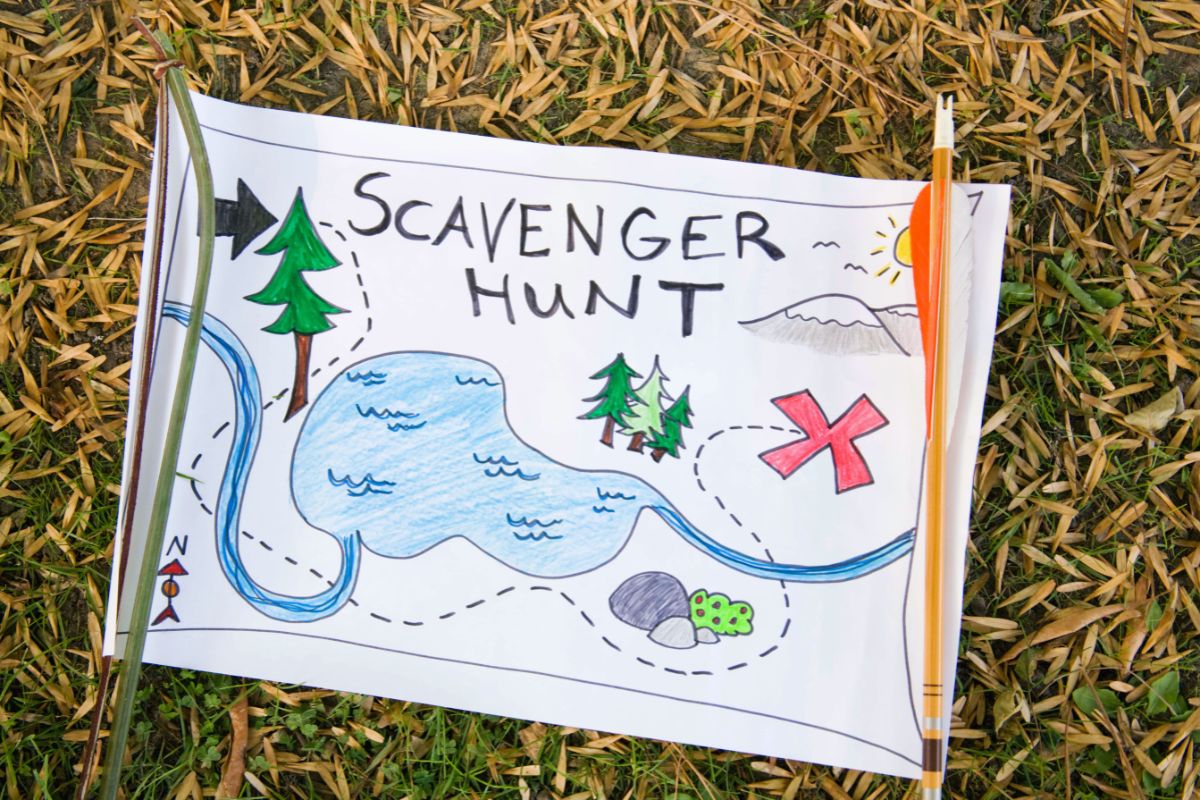
Nature Scavenger Hunt
A scavenger hunt turns a simple walk into an exciting learning adventure.
Create a list of natural items for children to find, such as a feather, a smooth stone, a yellow flower, or a leaf shaped like a heart. You can adapt the list for different age groups or learning goals, such as identifying shapes, colours, or plant types.
This activity promotes observation skills, teamwork, and an appreciation for the natural world. You can also add challenges like taking photos or sketching what they find to integrate art and digital learning.
Outdoor Science Experiments
The outdoors is a giant laboratory waiting to be explored. Try simple experiments like:
- Measuring rainfall with a homemade rain gauge
- Observing how shadows change throughout the day
- Testing how different materials (soil, sand, grass) absorb water
These hands-on investigations help children understand key science concepts like weather, light, and the environment, all while encouraging curiosity and critical thinking.
Storytelling in Nature
Encourage creativity by turning outdoor time into a storytelling session. Find a quiet spot under a tree or near a garden area and invite children to create stories inspired by what they see, hear, or feel around them.
They might imagine talking animals, magical forests, or adventures in the clouds. This boosts language development, imagination, and confidence in self-expression, all while connecting emotionally with nature.
Garden-Based Learning
Gardening is an excellent way to teach children about biology, sustainability, and patience. Start small with planting seeds in pots or raised beds. Let children observe how plants grow over time, learning about soil, sunlight, and water needs.
You can also incorporate maths (measuring plant height), art (drawing garden layouts), and science (studying pollination). Gardening teaches responsibility and environmental awareness, showing children the value of nurturing living things.
Maths in the Park
Take maths lessons outdoors! Use natural materials like stones, sticks, or leaves to create number patterns, practice addition, or explore symmetry. For older children, turn it into a geometry walk, have them identify shapes in the environment, measure tree trunks, or calculate the area of a grassy space.
Outdoor maths makes abstract concepts concrete and helps children see how numbers are part of the world around them.
Outdoor learning isn’t just about play, it’s a meaningful way to enhance children’s education and wellbeing. By taking lessons outside, we encourage curiosity, problem-solving, and a lifelong love of nature. Whether it’s a quick nature walk or a full day of outdoor exploration, every moment spent learning in the fresh air helps children grow more confident, creative, and connected to their world.
*This is a collaborative post