

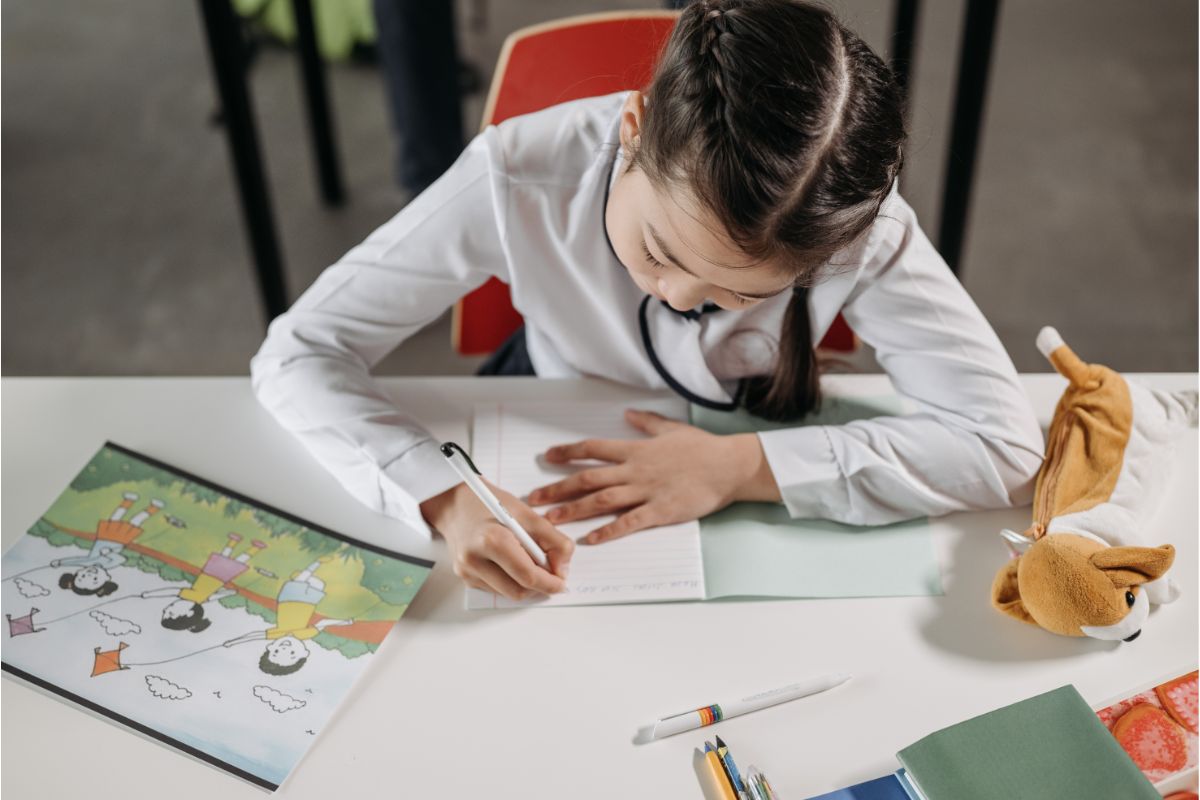
Creative writing isn’t just about crafting stories, it’s a wonderful way for children to express themselves, explore their imagination, and build confidence in their own voice. Whether your child is an avid storyteller or just starting to dabble with words, creative writing can open doors to both personal growth and academic skills. Here are some tips from a private secondary school in Surrey.
1. Why Creative Writing Matters
Creative writing encourages children to think beyond the ordinary. It teaches them to imagine different worlds, see situations from new perspectives, and play with language. Beyond improving vocabulary and grammar, it develops problem-solving skills, emotional intelligence, and the ability to communicate ideas clearly.
2. Create a Welcoming Writing Environment
Set aside a space in your home where your child feels comfortable writing. This could be a desk in their room, a cosy corner with a notebook, or even the kitchen table with a cup of hot chocolate. Keep paper, pens, markers, or a tablet handy so they can capture ideas whenever inspiration strikes.
3. Use Fun Prompts to Spark Ideas
Sometimes the hardest part of writing is knowing where to start. Offer playful prompts like:
- “Write a story about a pet who has a secret life.”
- “Imagine you wake up with the ability to talk to animals. What happens next?”
- “Describe a day in the life of your favourite toy.”
Prompts take away the pressure of coming up with an idea from scratch and turn writing into a game.
4. Write Together
Children love when parents join in creative activities. Write your own story alongside your child or take turns adding to a shared tale. This not only makes writing more fun but also shows that you value creativity as much as they do.
5. Celebrate Their Work
Display their stories on the fridge, share them with family members, or bind them into a homemade “book.” Positive reinforcement builds confidence and motivates them to keep writing. You can also encourage them to read their work aloud — it’s a great way to practice public speaking and storytelling skills.
6. Incorporate Different Formats
Creative writing doesn’t have to be limited to short stories. Explore poetry, comic strips, plays, or even song lyrics. Experimenting with different formats keeps things fresh and helps your child discover new ways to express themselves.
7. Encourage Without Overcorrecting
While grammar and spelling are important, the focus in creative writing should be on ideas and expression. Too much correction can make a child self-conscious and hesitant to write. Save editing for later drafts and let the first version flow freely.
Exploring creative writing with your child is about more than words on a page, it’s about nurturing imagination, building confidence, and creating special moments together. With encouragement, a welcoming space, and a sense of fun, you can help your child fall in love with storytelling and discover the endless possibilities their creativity holds.
*This is a collaborative post